Eleos Pro
Helping a mental health startup define scope and business goals
Product Designer
2: Myself and Business Consultant
Healthcare
3
Background
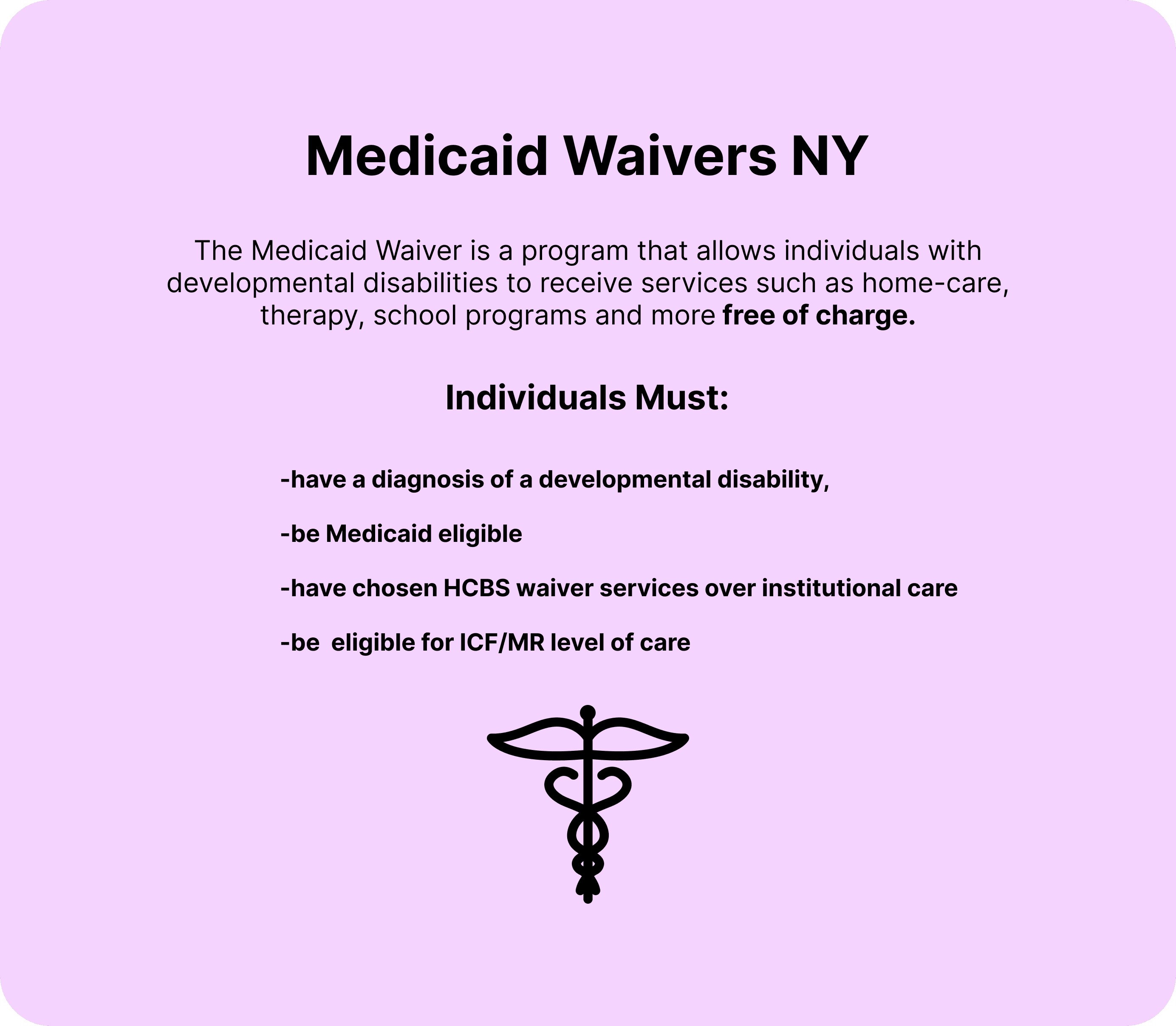
Parents of children with autism often face overwhelming challenges when trying to access support. In New York, the Medicaid Waiver program provides free services, but the process is complex, confusing, and poorly communicated. Many families don’t even know the program exists.
Eleos, a mental health startup, approached me with the goal of simplifying this journey for parents. The founder needed a clear foundation for the company and someone to refine broad ideas into a concrete, actionable vision. The initial goal was to explore an iOS app as the primary solution.
Results
My work with Eleos led to a major strategic pivot: shifting from an app-first approach to a consulting-first service model. I helped refine a broad, unfocused vision into a clear, actionable business strategy. This shift gave Eleos a stronger foundation, ensuring that resources were spent where they would create the most impact for parents of children with autism.
$100K +
Saved on app development costs
3-6 months
Saved in company launch time
Process
From the start, I recognized that Eleos needed a central hub to stay organized and aligned. As the company grew and brought in outside collaborators, it would be essential to have a single source of truth for goals, research, and planning. I set up Notion to document data, structure meetings, and map out the project roadmap, giving the team a scalable foundation to build on.
Understanding the Space
At first, I felt uneasy since Medicaid waivers were unfamiliar territory. Instead of rushing ahead, I dedicated time to learning the landscape — how the waiver process worked, what challenges families faced, and where Eleos hoped to fit in. This deep dive gave me the context I needed to ask the right questions and guide the project in a more strategic direction.
Research Plan
We crafted a research plan to compliment our secondary sources. Here are the topics I wanted our research to answer:
We need to explore how families currently feel about the process of finding and accessing services for their special needs child/children as well as what struggles they face
We need to see how informed families are in finding services for their children
Getting Input From Families
I designed a survey targeting caretakers of children with special needs — a sensitive topic that required careful, accessible language. To ensure clarity and inclusivity, I collaborated with the CEO through two iterations before launching. The survey also allowed parents to indicate availability for follow-up interviews.
Given time constraints, we collected responses over two weeks, spreading outreach as widely as possible.
Results:
50 survey responses
8 in-depth parent interviews
These insights helped identify pain points, validate assumptions, and informed the strategic pivot away from an app-first approach.
Synthesis and Main Problems
While the data pool was smaller than ideal due to the sensitivity of the topic, this was expected. I recommended ongoing collection of surveys and interviews throughout the project, ensuring that new insights could continuously inform decisions and be leveraged at any stage.
Parent Struggles:
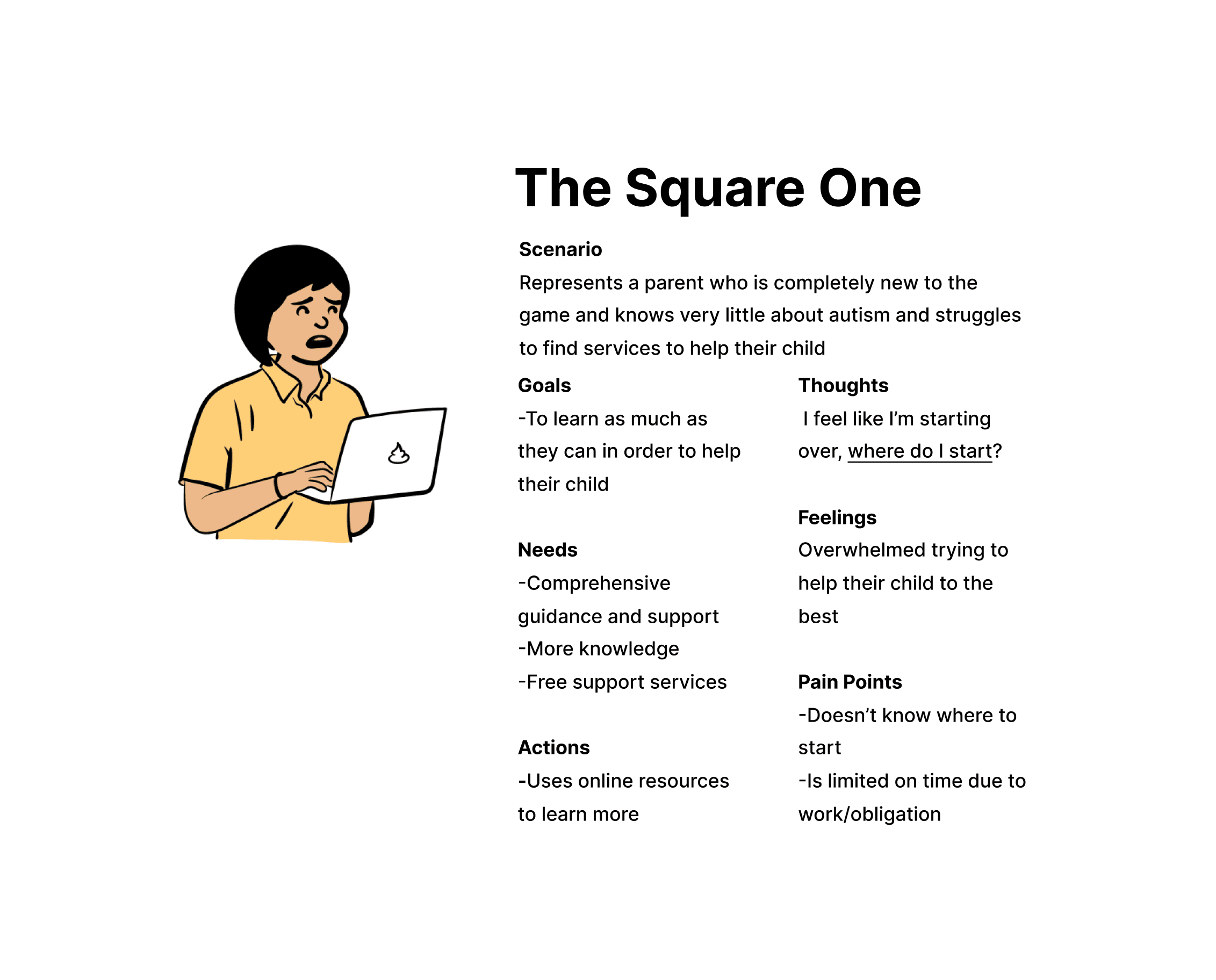
Not knowing where to start in the process of finding help for child
Being overwhelmed with juggling added responsibility of a special needs child with everyday responsibilities
Medicaid Waiver Process is confusing and long
Identifying Our North Star
Our goal was clear: empower parents to confidently navigate the complex Medicaid waiver process and give them the knowledge they need to best support their child with autism. This guiding principle informed every decision and recommendation throughout the project.
Coming to an Epiphany
After defining the problem, it became clear that one critical question had been overlooked: “Do we really need an app?”
I raised this with the CEO: “If our goal is to help parents of children with special needs, why should the solution be an app?” The Medicaid Waiver process is managed by the state and involves multiple agencies. While third parties can assist, no single app or organization can handle it end-to-end. My initial idea — a service like TurboTax where parents could submit forms directly — wasn’t feasible.
What families truly needed was guidance and hands-on support: someone to explain which forms to submit, where to send them, and how to navigate the process. Based on this insight, I recommended that Eleos prioritize consulting as the primary service, with any app serving only as a supplemental tool.
Final Thoughts
My work with Eleos is currently on hiatus as the company pivots to a consulting-first model. This project reinforced an important lesson: the best solution isn’t always a new app or website. As designers, we must look beyond digital tools and critically evaluate whether the solution truly meets the user’s needs.
Through this project, I demonstrated the ability to combine user research, strategic thinking, and business insight to guide a startup toward a more impactful, feasible solution. While the Eleos website is still under construction by another team, the core mission — helping families navigate the Medicaid Waiver process — remains the focus, and the insights we uncovered continue to inform the company’s direction.